How NSFAS Funding Works in 2026: A Complete Guide for South African Students

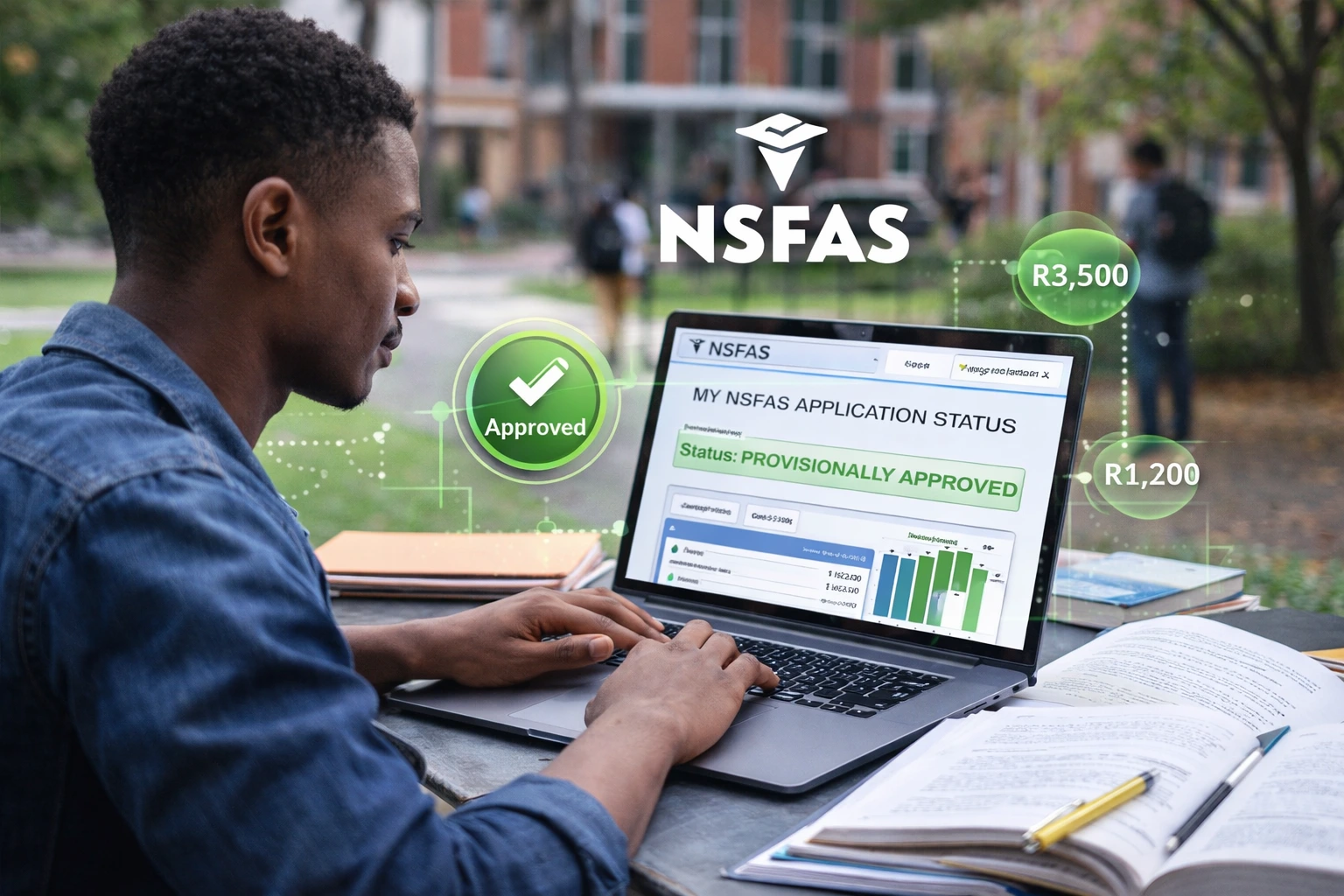
An in-depth guide explaining how NSFAS funding works in 2026, including eligibility, payments, allowances, and common challenges faced by South African students.
How NSFAS Funding Works: Why It Matters More Than Ever in 2026
Understanding How NSFAS Funding Works has become essential for millions of South African students navigating the rising cost of higher education. With tuition fees, accommodation, and living expenses continuing to increase, financial aid is no longer just helpful—it is often the deciding factor between accessing education or being excluded from it.
The National Student Financial Aid Scheme (NSFAS) plays a central role in bridging this gap. However, despite its importance, many students still misunderstand how the system operates—from application processes to allowance payments.
In 2026, changes in funding models, payment systems, and accountability measures have made it even more important for applicants to fully understand how NSFAS works. This article provides a detailed, analytical breakdown of the system, helping students make informed decisions.
ALSO APPLY FOR UNISA Internships 2026: How to Apply and Stand Out as a Graduate Applicant
ALSO READ Free Online Courses That Improve Learnership Applications in South Africa (2026 Guide)
Quick Facts Box
- Closing Date: Not applicable
- Location: South Africa (public universities and TVET colleges)
- Duration: Covers duration of approved qualification
- Positions Available: Not applicable
- Reference Number: Not applicable
- Stipend: Not stated in the official framework (varies by allowance type)
The Purpose of NSFAS and Its Role in Higher Education
To understand How NSFAS Funding Works, it is important to first examine its purpose. NSFAS was established to provide financial assistance to students from low-income and working-class families who would otherwise not afford tertiary education.
The scheme typically covers:
- Tuition fees
- Accommodation
- Learning materials
- Living allowances
- Transport (for qualifying students)
This comprehensive support structure is designed to reduce financial barriers and improve access to education. However, NSFAS is not simply a grant system—it operates within strict eligibility criteria and performance expectations.
In recent years, NSFAS has shifted toward a bursary model rather than a loan system for qualifying students, meaning repayment is not required if academic conditions are met.
Eligibility Criteria: Who Qualifies for NSFAS?
A critical aspect of How NSFAS Funding Works lies in its eligibility framework. Not all students qualify, and understanding the criteria can prevent wasted applications.
Key requirements include:
- South African citizenship
- Acceptance or registration at a public university or TVET college
- Household income below a specified threshold (commonly R350,000 per year, though policies may evolve)
Additionally, students must demonstrate academic progression. NSFAS funding is not indefinite—continuation depends on passing modules and meeting institutional requirements.
An important nuance is that returning students are assessed differently from first-time applicants. Academic performance becomes a stronger determining factor after the first year.
Application and Approval Process Explained-How NSFAS Funding Works
Many students struggle with the complexity of the application process, making this a crucial part of understanding How NSFAS Funding Works.
The process generally includes:
- Online Application Submission
Students submit personal, academic, and financial details through the NSFAS portal. - Verification of Information
Documents such as ID copies, proof of income, and academic records are reviewed. - Eligibility Assessment
NSFAS evaluates whether the applicant meets financial and academic criteria. - Funding Decision
Applicants receive confirmation of approval, rejection, or pending status.
One of the biggest challenges in this process is documentation. Missing or incorrect documents can delay or prevent approval. This highlights the importance of accuracy and preparation.
How NSFAS Allowances and Payments Work
A common source of confusion is how payments are structured. Understanding this is key to fully grasping How NSFAS Funding Works.
NSFAS does not simply pay students a lump sum. Instead, funding is distributed in different forms:
Tuition Payments
Paid directly to institutions on behalf of the student.
Accommodation Allowances
Either paid to residences or provided as a student allowance depending on living arrangements.
Living Allowances
Given to students for daily expenses such as food and personal needs.
Learning Materials
Allocated for textbooks and study resources.
In recent years, NSFAS has introduced direct payment systems to students, often through digital platforms. While this improves accessibility, it has also introduced challenges such as payment delays and system inefficiencies.
Common Challenges Students Face with NSFAS
While NSFAS provides critical support, the reality of How NSFAS Funding Works includes several operational challenges.
Payment Delays
Students often experience late allowance payments, which can disrupt daily living and academic performance.
Accommodation Issues
Disputes between institutions and private accommodation providers can affect funding distribution.
Administrative Errors
Incorrect data or system issues can lead to funding delays or cancellations.
Communication Gaps
Students sometimes struggle to get timely updates or support from NSFAS.
These challenges highlight the complexity of managing a large-scale funding system. While improvements have been made, inefficiencies still exist.
The Impact of NSFAS on Student Success
Despite its challenges, the impact of NSFAS cannot be overstated. Understanding How NSFAS Funding Works also means recognising its broader societal role.
Research and trends suggest that:
- Students with financial support are more likely to complete their studies
- Access to funding increases enrolment rates among disadvantaged groups
- Financial stability improves academic focus and performance
However, funding alone does not guarantee success. Academic support, mental health resources, and institutional quality also play significant roles.
ALSO APPLY FOR AFGRI Logistics Internship 2026: Complete Guide to the AFGRI Logistics Internship Opportunity
ALSO READ Why NSFAS 2026 Still Matters for Students Struggling to Afford Higher Education
What This Means Going Forward-How NSFAS Funding Works
The future of How NSFAS Funding Works is likely to be shaped by several key developments:
1. Increased Digitalisation
Payment systems and application processes will continue to move online, improving efficiency but requiring digital literacy.
2. Greater Accountability
Students may face stricter academic performance requirements to maintain funding.
3. Policy Adjustments
Income thresholds, allowance structures, and funding models may evolve based on economic conditions.
4. Expansion vs Sustainability Debate
As demand grows, balancing accessibility with financial sustainability will remain a major challenge.
For students, this means staying informed and proactive is more important than ever. Understanding the system is no longer optional—it is a strategic advantage.
FAQs-How NSFAS Funding Works
1. Does NSFAS cover all expenses?
NSFAS covers major costs like tuition, accommodation, and allowances, but may not cover all personal expenses.
2. Do I have to repay NSFAS funding?
If you meet academic requirements, NSFAS funding is typically a bursary and does not require repayment.
3. Can I lose my NSFAS funding?
Yes, funding can be withdrawn if you fail to meet academic progression requirements.
4. How long does NSFAS fund a student?
Funding usually covers the duration of the approved qualification, subject to academic performance.
5. What should I do if my application is rejected?
You can appeal the decision through the NSFAS appeals process if you believe the rejection was incorrect.
Conclusion-How NSFAS Funding Works
Understanding How NSFAS Funding Works is essential for any student planning to pursue higher education in South Africa. While the system provides critical financial support, it also requires careful navigation, strong academic performance, and attention to detail.
NSFAS remains one of the most impactful tools for expanding access to education, but its effectiveness depends on how well students engage with it. Those who take the time to understand the process are better positioned to benefit fully from the opportunities it provides.